
As I sauntered through my local Asian market, the enticing aroma of stir-fried noodles wafted through the air, transporting me straight to the bustling streets of Hong Kong. It’s amazing how the right dish can evoke such nostalgia! This Better-Than-Takeout Cantonese Chow Mein recipe brings that authentic experience right to your kitchen. With just a few simple ingredients, you’ll whip up a delightful meal in under 15 minutes, making it the perfect quick recipe for those busy weeknights. Not only does this chow mein deliver crispy noodles and a savory-sweet stir-fry sauce, but it’s also a fantastic way to impress your loved ones without any takeout fuss. Are you ready to transform your dinner routine and savor the flavors of homemade Cantonese goodness?
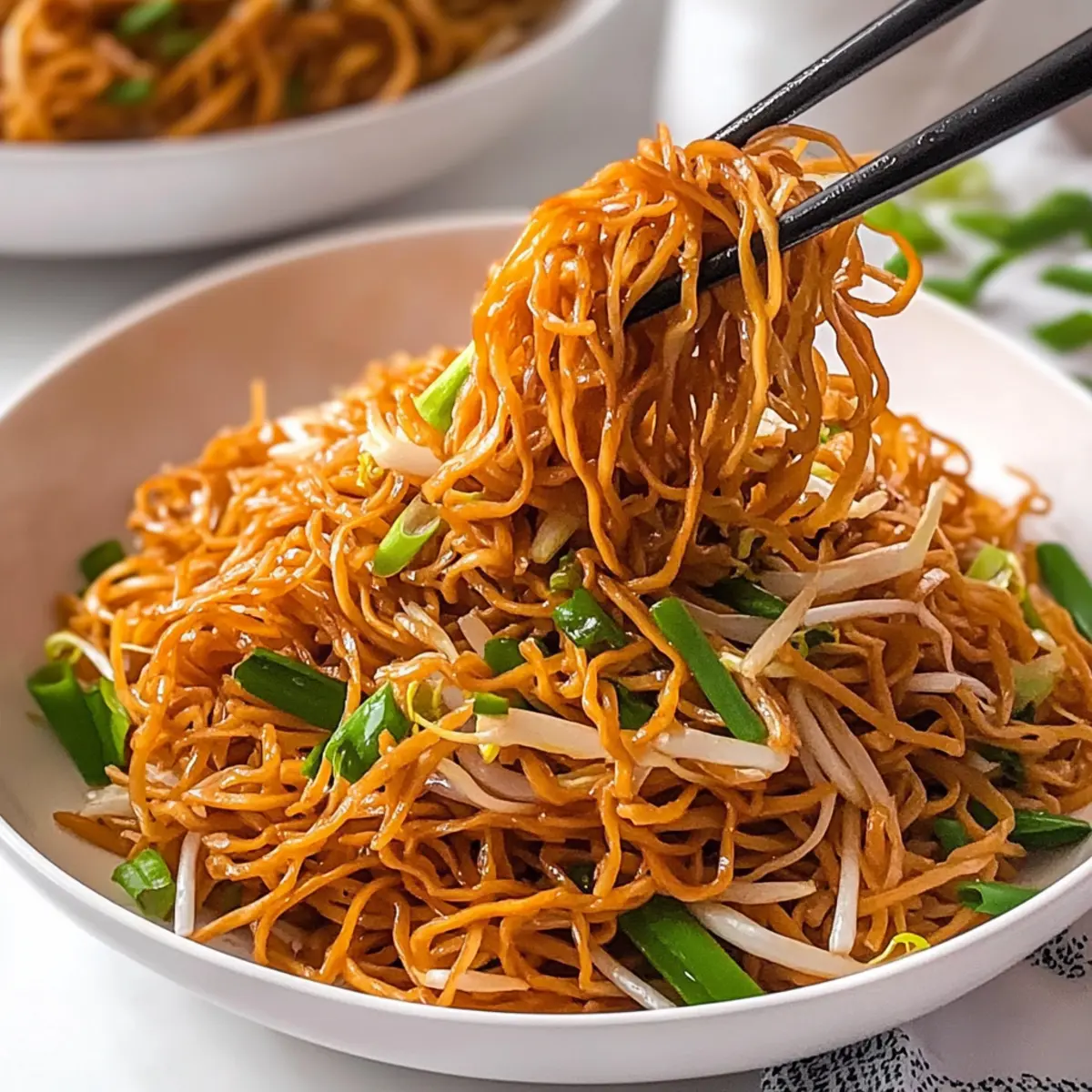
Why Is This Chow Mein Special?
Quick cooking time means you’ll have a delicious meal ready in under 15 minutes, perfect for those hectic weeknights.
Flavor-packed with rich soy sauce and garlic, each bite is a delightful explosion of taste.
Easy to customize—swap out vegetables or proteins based on what you have on hand or your personal preferences.
Crispy texture achieved through pan-frying ensures you won’t miss your favorite takeout dish.
Impressive enough to serve guests yet simple enough for a weeknight dining option, this chow mein is sure to impress! For more exciting stir-fry ideas, check out our popular stir-fry recipes.
2. Cantonese Chow Mein Ingredients
Elevate your cooking game with this key ingredient list!
-
For the Noodles
-
Chow Mein Egg Noodles – Opt for thin, fresh noodles for that authentic Hong Kong texture.
-
For the Aromatics
-
Yellow Onion – Adds a natural sweetness that enhances the dish’s flavors.
-
Green Onions (Scallions) – Use both the white and green parts for a burst of fresh flavor.
-
For the Crunch
-
Bean Sprouts – They provide delightful crunch, making each bite refreshing!
-
For the Frying
-
Corn Oil – A great neutral oil for frying; feel free to substitute with any high-heat cooking oil.
-
Sesame Oil – Added at the end for that nutty aroma that truly elevates the dish.
-
For the Sauces
-
Dark Soy Sauce – Provides depth of flavor and a rich color essential to classic Cantonese chow mein.
-
Regular Soy Sauce – Balances the flavors; consider low-sodium if that’s a preference.
-
Oyster Sauce – Adds richness; you can omit this for a vegetarian version.
-
Fish Sauce – Enhances the umami flavor; a vegan alternative can be used instead.
-
For Finishing Touches
-
Granulated Sugar – Balances the savory notes; can be swapped for honey or agave syrup if desired.
-
Water – Used to fine-tune the sauce’s consistency to perfection.
With these simple yet essential ingredients, you’ll create an unforgettable dish of Cantonese chow mein that outshines takeout every time!
Step‑by‑Step Instructions for Better-Than-Takeout Cantonese Chow Mein
Step 1: Cook Noodles
Bring a pot of water to a rolling boil and carefully soak the chow mein egg noodles for 30 seconds to 1 minute until they are just softened. You’ll know they’re ready when they are pliable but not mushy. Drain the noodles well and set them aside in a cool place, allowing them to firm up while you prepare the rest of the dish.
Step 2: Prepare Sauce
In a small bowl, combine the dark soy sauce, regular soy sauce, oyster sauce, fish sauce, granulated sugar, and water. Mix well until the sugar has completely dissolved, creating a savory sauce blend. This mixture will add depth and flavor to your Cantonese chow mein, so taste and adjust the balance of sweetness and saltiness to your preference.
Step 3: Sauté Aromatics
Heat a wok over medium-high heat and add 1 tablespoon of corn oil. Once shimmering, toss in the sliced yellow onion and the white parts of the green onions, sautéing them for about 1 minute until they become fragrant and slightly translucent. These aromatic ingredients will enhance the overall flavor of your chow mein.
Step 4: Pan-Fry Noodles
Add another tablespoon of corn oil to the hot wok, ensuring it coats the surface evenly. Carefully lay the soaked chow mein noodles in a thin, even layer and cook for about 2 minutes per side, or until they achieve a delightful crispiness. Keep an eye out for a golden-brown color, which indicates that they are ready to be flipped.
Step 5: Combine Ingredients
With the crispy noodles in place, gently add the sautéed onions, both parts of the green onions, and the bean sprouts to the wok. Pour your prepared sauce over the top, and gently toss everything together, cooking for an additional 1-2 minutes. The heat will bring out the flavors and ensure that every bite of the Cantonese chow mein is deliciously coated.
Step 6: Finish & Serve
Remove the wok from the heat and drizzle a tablespoon of sesame oil over your chow mein, tossing gently to combine. This step adds an irresistible nutty aroma to the dish. Serve the Better-Than-Takeout Cantonese Chow Mein immediately, savoring every crispy and flavorful bite while it’s hot.
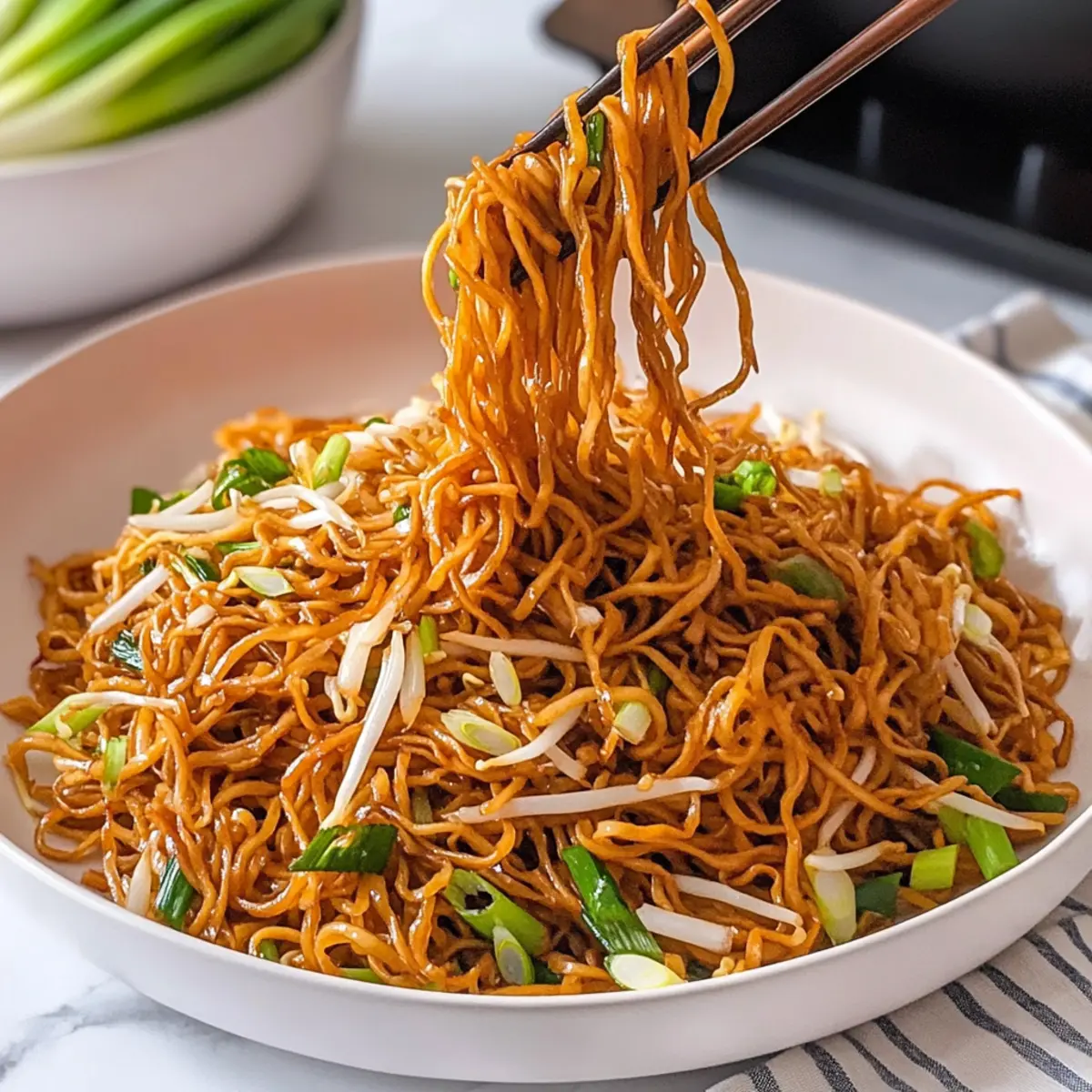
Cantonese Chow Mein Variations & Substitutions
Feel free to let your culinary creativity shine with these delicious twists on this classic chow mein recipe!
-
Vegetable Swap: Replace bean sprouts with shredded carrots or zucchini for a fresh crunch and vibrant color.
-
Protein Boost: Incorporate cooked chicken, beef, shrimp, or tofu for an extra layer of heartiness and nutrition. These options can cater perfectly to any busy weeknight.
-
Lo Mein Noodles: Substitute chow mein noodles with lo mein for a softer, chewier texture that’s equally satisfying. It’s all about personal texture preferences!
-
Spicy Kick: Add crushed red pepper or a splash of sriracha for some heat. This will elevate your chow mein and awaken your taste buds beautifully.
-
Gluten-Free: Opt for rice noodles or gluten-free soy sauce to make this dish suitable for gluten-sensitive diners, ensuring everyone can enjoy a plateful.
-
Low-Sodium Option: Use low-sodium soy sauce and omit the fish sauce for a heart-healthy version without sacrificing flavor. Less salt doesn’t mean less satisfaction!
-
Herbed Flavor: Toss in a handful of fresh basil or cilantro just before serving for a fragrant and refreshing touch that complements the savory sauce wonderfully.
-
Sweetener Alternatives: Swap granulated sugar with honey or maple syrup to give your chow mein a more natural sweetness that melds beautifully with the savory elements.
With these variations, you can create a delightful dish that perfectly matches your taste and dietary needs! If you’re eager for more ideas, check out our seasonal stir-fry inspirations to keep your meals exciting.
Expert Tips for Cantonese Chow Mein
- Crispy Noodles: For the best texture, make sure the noodles are spread in a thin layer while pan-frying, ensuring they crisp up beautifully.
- Seasoning Balance: Always taste your sauce before adding it to the dish; you may want to adjust the sweetness or saltiness to your liking.
- Avoid Overcrowding: When frying the noodles, avoid overcrowding the pan. This allows them to fry evenly and achieve maximum crispiness in your Cantonese chow mein.
- Ingredient Substitutions: Feel free to customize by swapping vegetables or proteins based on your pantry—this recipe is versatile to suit your taste!
- Serving Tips: Serve immediately for the best experience; reheating can compromise the noodles’ delightful crunch.
How to Store and Freeze Cantonese Chow Mein
Fridge: Store leftovers in an airtight container for up to 3 days. Reheat in a skillet over medium heat, adding a splash of water to revive the noodles’ texture.
Freezer: For longer storage, freeze the chow mein in a freezer-safe container for up to 3 months. Thaw in the fridge overnight before reheating.
Reheating: When ready to enjoy again, reheat in a pan or microwave until heated through, stirring occasionally to ensure even warmth.
Additional Tips: To maintain the best quality, avoid freezing chow mein with ingredients like bean sprouts, which can become soggy after freezing.
Make Ahead Options
These Better-Than-Takeout Cantonese Chow Mein are perfect for meal prep enthusiasts! You can prepare the chow mein noodles by soaking them in boiling water and storing them in the refrigerator for up to 24 hours. Additionally, you can sauté the aromatics (onions and green onions) and store them in an airtight container for up to 3 days to enhance their flavor. When you’re ready to serve, heat oil in your wok, pan-fry the noodles until crispy, then add the prepared aromatics and bean sprouts, finishing with the sauce mixture. This approach ensures a delightful, quick meal awaits you with just minimal effort, all while maintaining the noodles’ crispiness and flavor!
What to Serve with Better-Than-Takeout Cantonese Chow Mein?
Pair your delicious chow mein with these fantastic options to elevate your meal experience!
-
Garlic Broccoli: Tender, sautéed broccoli seasoned with garlic adds a nutritious and flavorful side, balancing the savory noodles perfectly.
-
Sweet and Sour Chicken: This tangy and crispy chicken dish introduces a delightful contrast, complementing the rich flavors of your chow mein.
-
Crispy Spring Rolls: These crunchy rolls filled with fresh vegetables provide a delightful texture and extra crunch to your meal.
-
Steamed Dumplings: Juicy, savory dumplings make for a fantastic bite-sized addition, enhancing the overall flavor profile with each tasty dipping moment.
-
Spicy Szechuan Green Beans: These vibrant green beans bring a zesty kick that pairs wonderfully with the mild sweetness of the chow mein sauce.
-
Sesame Cucumber Salad: A refreshing, crunchy salad drizzled in a sesame dressing adds a light, crisp contrast that complements the hearty chow mein.
-
Mango Sticky Rice: For a sweet ending, this classic dessert combines sweet sticky rice with fresh mango and coconut, rounding out your meal beautifully.
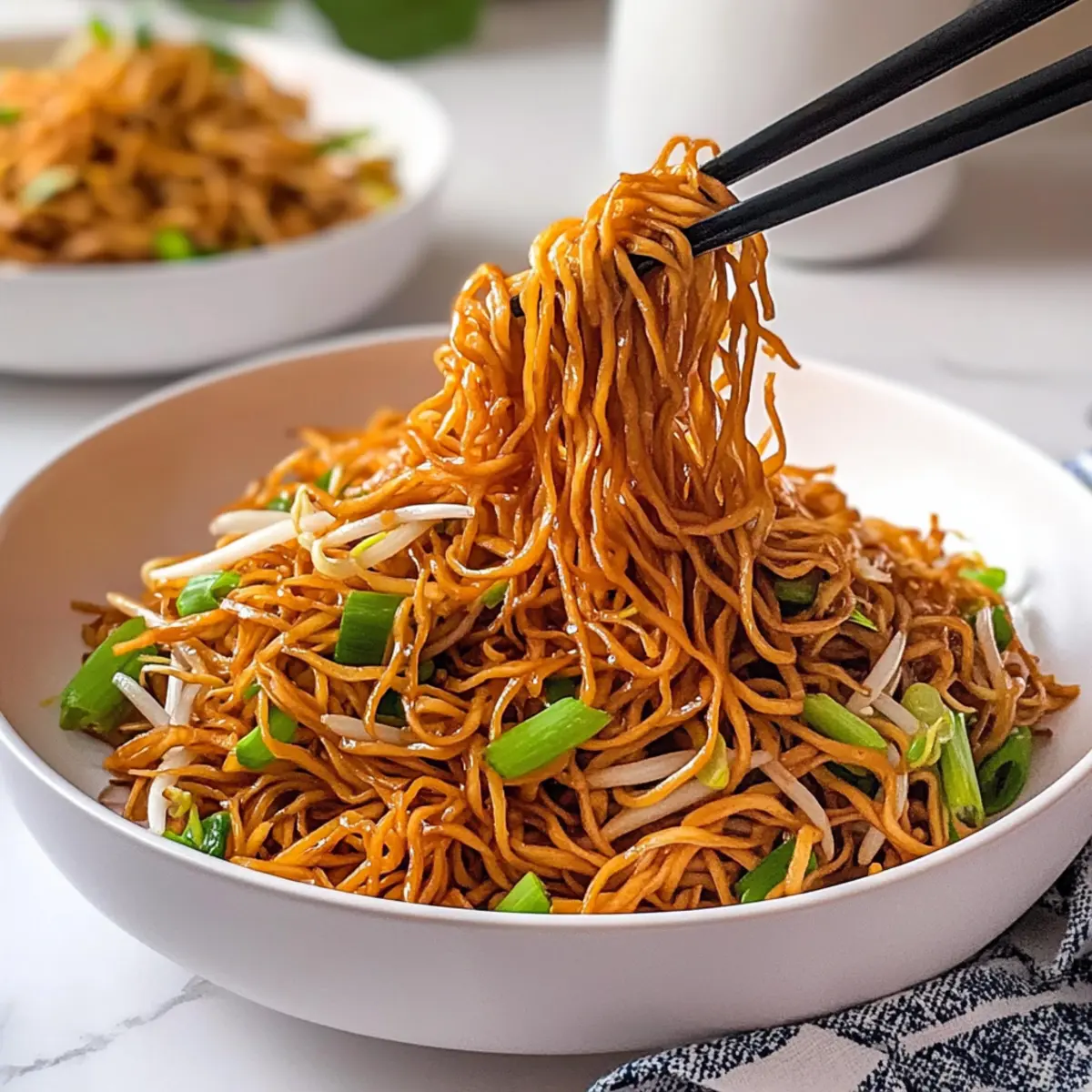
Cantonese Chow Mein Recipe FAQs
What type of chow mein noodles should I use?
Absolutely! For the best texture, opt for thin, fresh Hong Kong-style chow mein egg noodles. They provide that authentic chewiness you love in a good chow mein. Avoid using dried noodles as they don’t yield the same satisfying crispness.
How should I store leftover chow mein?
Very simply! Place your leftover Cantonese chow mein in an airtight container and refrigerate it for up to 3 days. When you’re ready to eat, reheat it in a skillet over medium heat. Adding a splash of water can help revive the noodles and enhance their texture, making them taste fresh again!
Can I freeze Cantonese chow mein?
Yes, you can! To freeze, transfer the cooled chow mein into freezer-safe containers and store it for up to 3 months. When you want to enjoy it again, thaw it overnight in the fridge. Reheat in a pan or microwave until heated through, stirring occasionally to ensure even warmth.
What if my chow mein noodles are soggy?
Don’t worry, it happens! If your noodles turn out soggy, make sure to fry them in a thin layer and avoid overcrowding the pan. This technique helps achieve that delightful crispiness. If you’ve already made them soggy, try reheating them in a wok or skillet over high heat without added moisture to help remove excess moisture.
Is there a way to make this dish vegetarian?
Absolutely! To make your Cantonese chow mein vegetarian, simply omit the oyster sauce and fish sauce. You can enhance the umami flavor by adding more soy sauce or a splash of mushroom sauce. Feel free to load up on your favorite veggies for extra flavor and texture!
What kind of oil should I use for frying?
For frying, I recommend using corn oil, which has a high smoke point and neutral flavor. However, feel free to substitute it with any high-heat cooking oil like canola, grapeseed, or peanut oil. Each will work well to achieve that crispy texture without overpowering the dish’s flavors.
These FAQs should help guide you on your cooking journey with this delicious dish! Enjoy your homemade Cantonese chow mein!
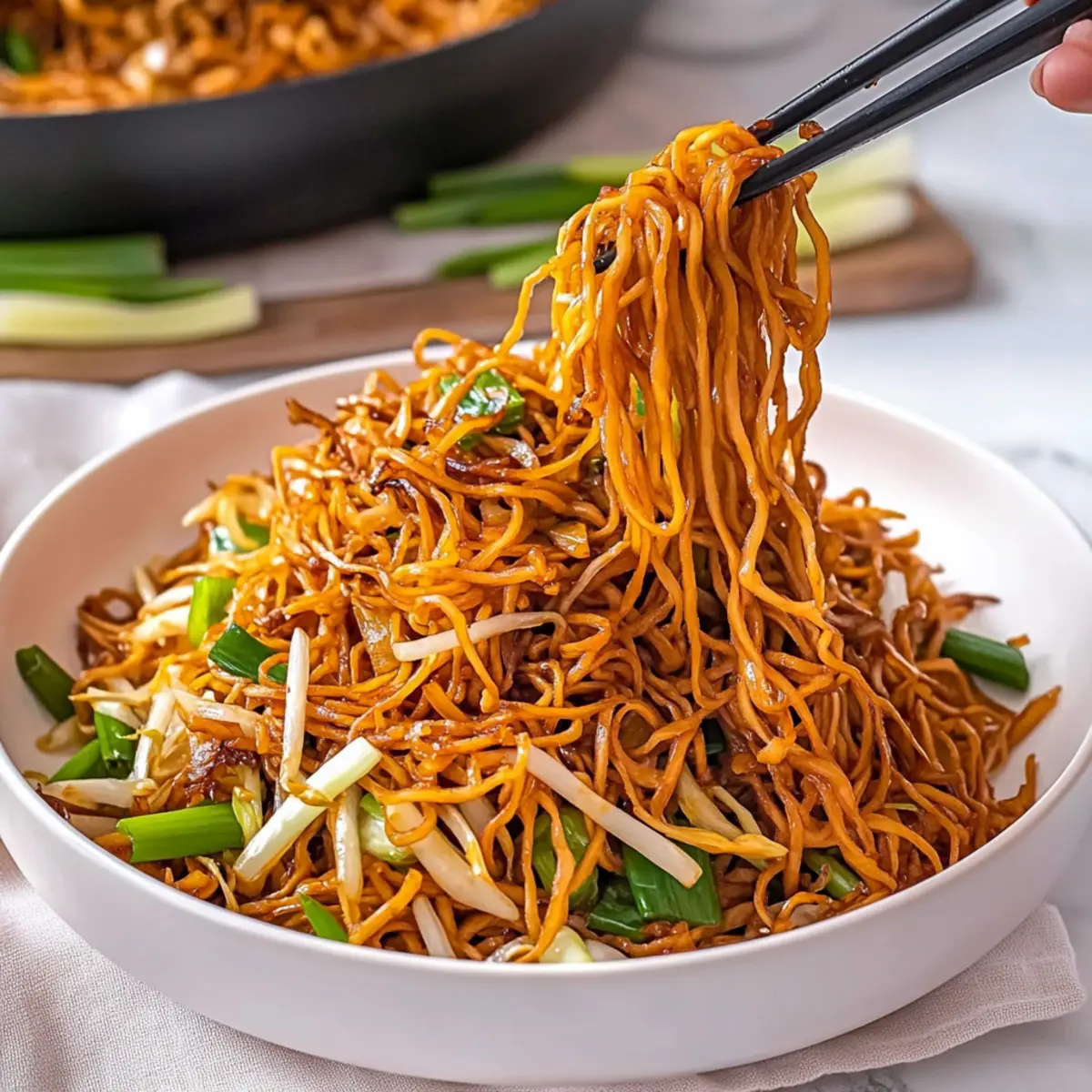
Crispy Cantonese Chow Mein in Under 15 Minutes
Ingredients
Equipment
Method
- Bring a pot of water to a rolling boil and soak the chow mein egg noodles for 30 seconds to 1 minute until softened.
- In a small bowl, mix dark soy sauce, regular soy sauce, oyster sauce, fish sauce, granulated sugar, and water until the sugar is dissolved.
- Heat a wok over medium-high heat and add 1 tablespoon of corn oil. Sauté sliced yellow onion and white parts of green onions for about 1 minute.
- Add another tablespoon of corn oil to the wok, then lay the soaked chow mein noodles in a thin layer and cook for about 2 minutes per side until crispy.
- Add sautéed onions, green onions, and bean sprouts to the noodles, pour sauce over, and toss everything together, cooking for an additional 1-2 minutes.
- Remove from heat and drizzle with sesame oil, tossing gently. Serve immediately.
Leave a Reply