
As I rummaged through my pantry in search of a snack, the reality hit me: fast food wasn’t the only option. With just a head of cauliflower and a few key ingredients, I decided to whip up a batch of Korean Baked Cauliflower that would satisfy my cravings without the guilt. This dish marries a delightful crunch with the sweet and spicy kick of gochujang, making it a true crowd-pleaser. Plus, it’s plant-based, gluten-free, and incredibly quick to prepare—perfect for those busy weeknights or as a stunning side at your next gathering. Trust me, once you try this crispy delight, you’ll be curious to experiment with all the different ways you can enjoy it. Are you ready to bring a little Korean flair into your kitchen?
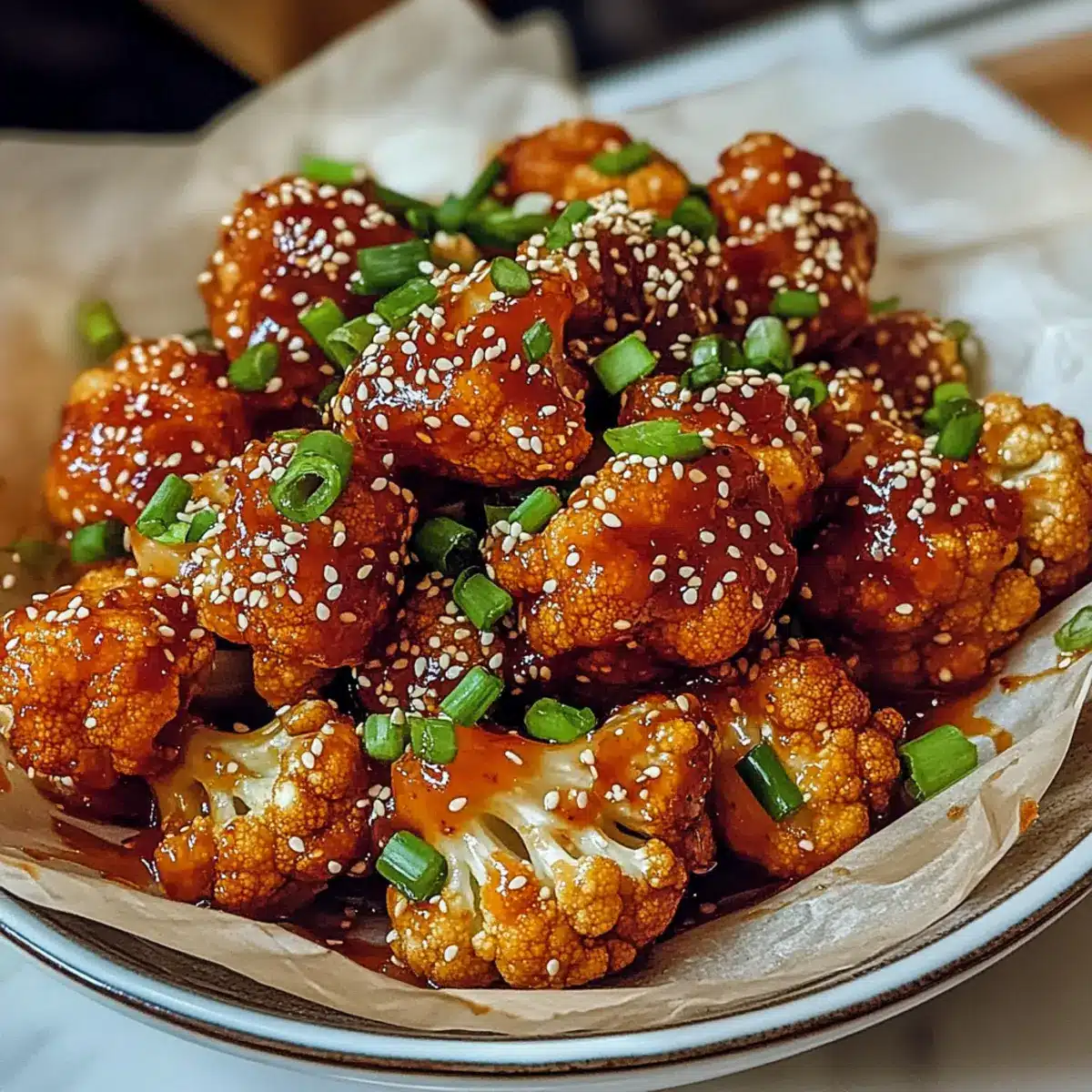
Why is Korean Baked Cauliflower a Must-Try?
Crispy goodness: This recipe transforms humble cauliflower into a flavor-packed dish that offers a satisfying crunch with every bite.
Spicy kick: The bold gochujang sauce adds an irresistible zing that’s sure to awaken your taste buds and keep you coming back for more.
Versatile dish: Enjoy it as an appetizer, side dish, or even nestled in a grain bowl with quinoa for a wholesome meal.
Healthy choice: Low in calories and packed with vitamins, this dish proves you can indulge without compromising on nutrition. Plus, if you’re in the mood for something sweet afterward, try pairing it with some delicious Chocolate Chip Cookies for the perfect finish!
Quick to prepare: With minimal ingredients and a straightforward cooking process, this cauliflower can go from the oven to your plate in under 30 minutes, ideal for busy weeknights.
Korean Baked Cauliflower Ingredients
For the Cauliflower
• Cauliflower – The star of the dish; provides bulk and texture. Substitute with broccoli for a tasty variation.
For the Sauce
• Gochujang (Korean chili paste) – Infuses the dish with a spicy, rich flavor. Swap for Sriracha if you prefer a milder kick.
• Soy sauce – Enhances umami flavor for depth; use tamari to keep it gluten-free.
• Honey (or maple syrup) – Balances the heat with a touch of sweetness; try agave syrup if you’re looking for a vegan option.
• Sesame oil – Adds a delightful nutty aroma; feel free to omit if you’d like a more neutral flavor.
For Garnish
• Sesame seeds – Provide crunch and visual appeal; completely optional but recommended for an authentic touch.
With these ingredients, you’ll create a mouthwatering Korean Baked Cauliflower that’s not only delicious but also plant-based and gluten-free!
Step‑by‑Step Instructions for Korean Baked Cauliflower
Step 1: Preheat the Oven
Begin by preheating your oven to 425°F (220°C). This high temperature will ensure your Korean Baked Cauliflower gets that perfect crispy texture. A hot oven is key, so make sure to set this up before you start preparing the cauliflower, allowing it to heat up while you work.
Step 2: Prepare the Cauliflower
Next, take a fresh head of cauliflower and cut it into uniform florets. Aim for bite-sized pieces to ensure even cooking. Place the florets into a large mixing bowl, giving you plenty of space to work as you prepare the sauce.
Step 3: Make the Sauce
In a separate bowl, combine the gochujang, soy sauce, honey (or maple syrup), and sesame oil. Mix these ingredients well until you have a smooth sauce that’s bursting with flavor. This savory mixture is what will coat your cauliflower and bring the Korean Baked Cauliflower to life.
Step 4: Coat the Cauliflower
Pour the prepared sauce over the cauliflower florets in the mixing bowl. Using your hands or a spatula, gently toss the cauliflower until each piece is evenly coated with the delicious sauce. Proper coating is crucial for ensuring every bite of your baked cauliflower is flavorful.
Step 5: Bake the Cauliflower
Spread the sauced cauliflower evenly on a parchment-lined baking sheet, making sure not to overcrowd them. Place the baking sheet in the preheated oven and bake for 25-30 minutes. Turn the florets halfway through to achieve that golden, crispy exterior, making it the perfect Korean Baked Cauliflower.
Step 6: Garnish and Serve
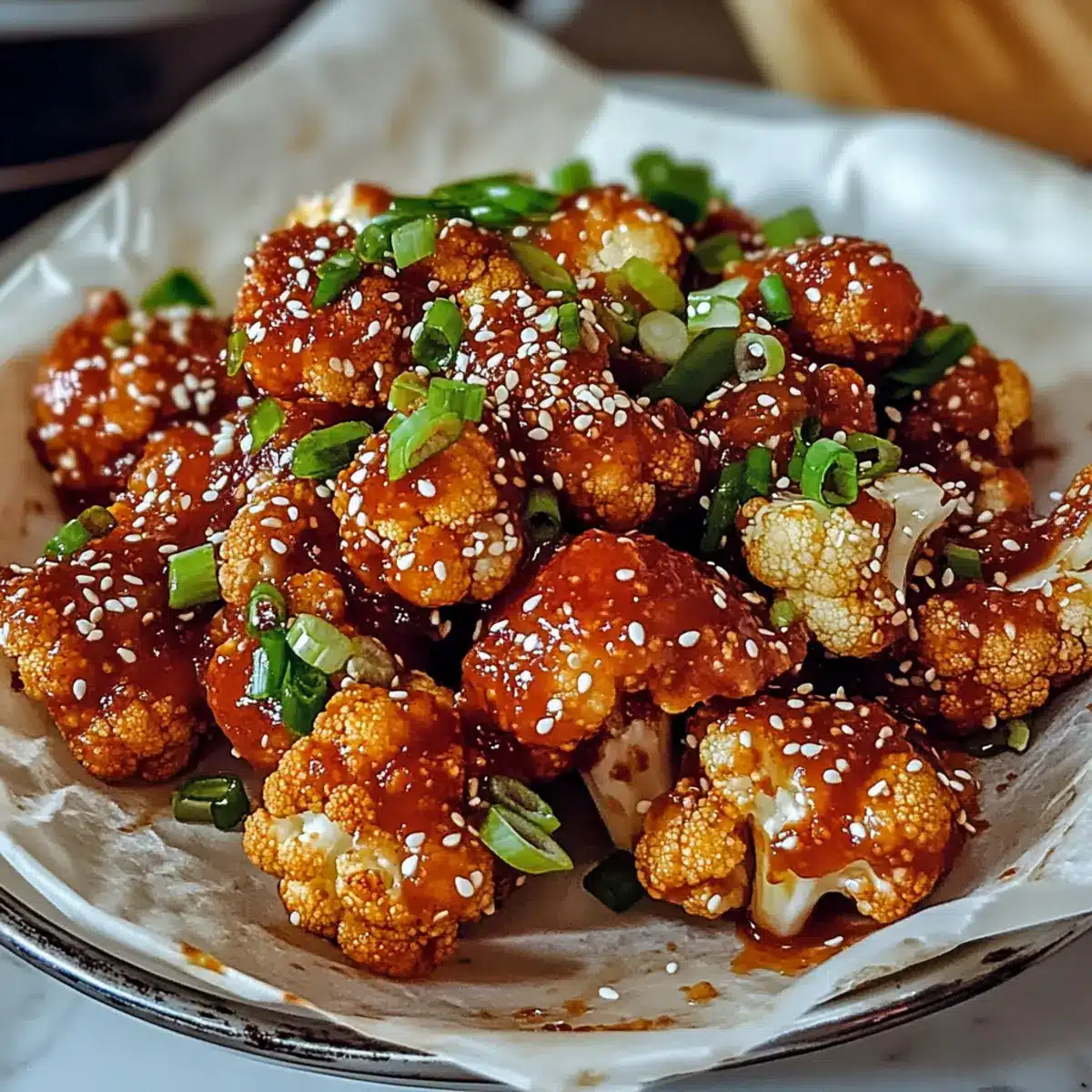
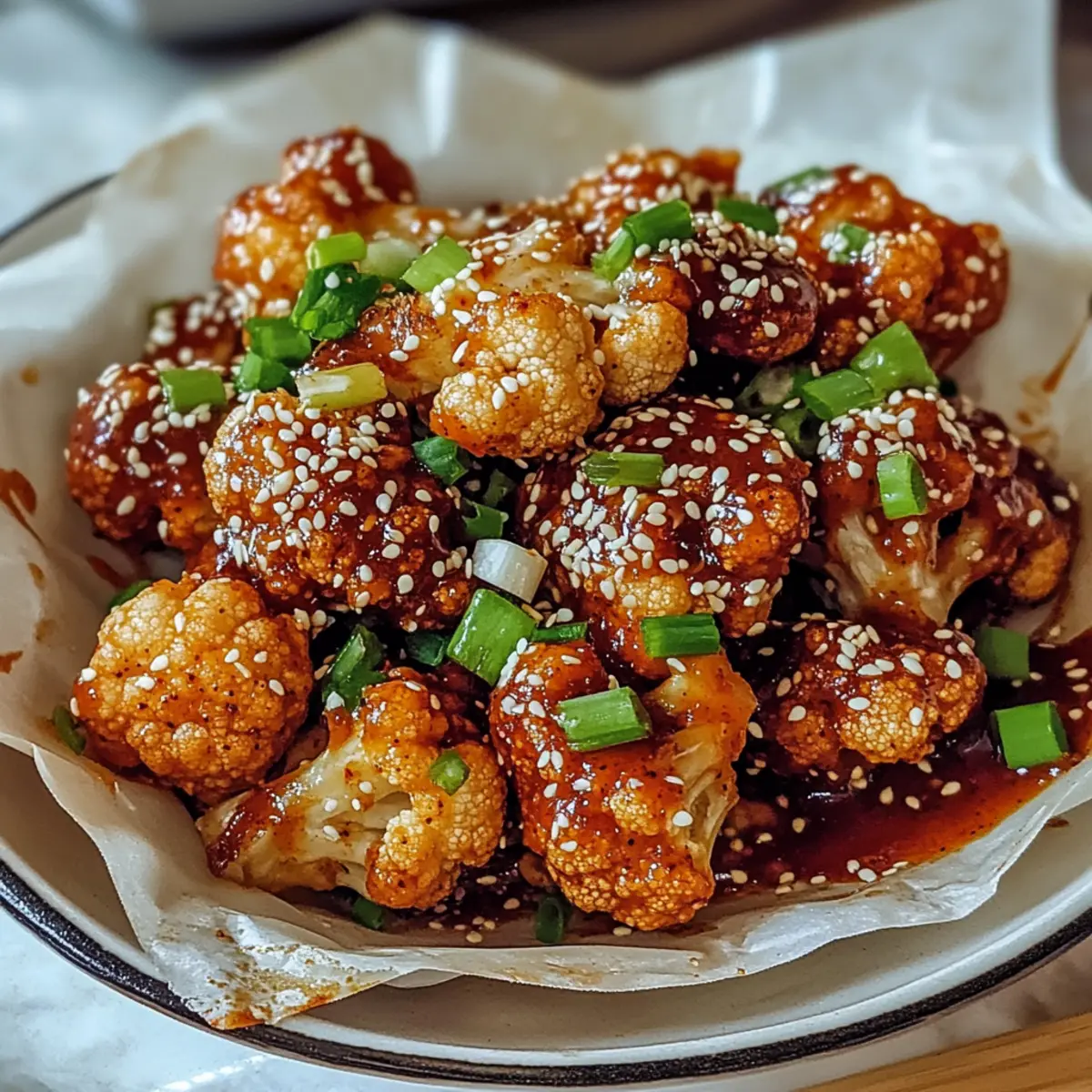
Once your cauliflower is beautifully roasted and crispy, remove it from the oven. Sprinkle with sesame seeds for an added crunch and a touch of elegance. Serve your Korean Baked Cauliflower hot, and enjoy it as a delightful side dish, appetizer, or even as a main entrée!
Storage Tips for Korean Baked Cauliflower
-
Fridge: Store the leftover Korean Baked Cauliflower in an airtight container for up to 3 days. This will help maintain its flavor and texture while keeping it safe to eat.
-
Freezer: If you have a large batch, freeze it in a single layer on a baking sheet first, then transfer to a freezer bag for up to 2 months. This prevents clumping and keeps it crisp longer.
-
Reheating: To enjoy your cauliflower again, reheat it in the oven at 350°F (175°C) for about 10-15 minutes, or until crispy. This method helps preserve its delightful texture, reviving the crunch.
Make Ahead Options
Preparing Korean Baked Cauliflower in advance is a brilliant strategy for busy home cooks looking to save time! You can cut and coat the cauliflower florets with the gochujang sauce up to 24 hours before baking. Simply store the coated florets in an airtight container in the refrigerator to maintain their freshness and prevent browning. When you’re ready to enjoy this flavorful dish, just transfer the florets to a lined baking sheet and roast them in a preheated oven at 425°F (220°C) for 25-30 minutes until crispy. This way, you can serve a show-stopping, plant-based meal with minimal hassle!
Variations & Substitutions for Korean Baked Cauliflower
Customize your Korean Baked Cauliflower to suit your taste or dietary needs and experience new flavors in every bite!
- Broccoli Swap: Use broccoli instead of cauliflower for a different texture that’s just as delightful.
- Sriracha Substitute: If gochujang is too spicy, opt for Sriracha for a milder heat while maintaining flavor.
- Tamari for Gluten-Free: Substitute soy sauce with tamari to keep this dish gluten-free without sacrificing umami depth.
- Maple Syrup Alternative: Replace honey with maple syrup for a vegan-friendly sweetener that still works beautifully.
- Add Fresh Herbs: Toss in chopped green onions or cilantro right before serving for a fresh, vibrant kick.
- Extra Crunch: Mix in sesame seeds and chopped nuts like almonds or cashews to elevate the texture and richness.
- Veggie Medley: Incorporate bell peppers, zucchini, or even sweet potatoes for a colorful and hearty mix that roast well.
- Heat Boost: Elevate the spice level by adding red pepper flakes or extra gochujang for those who love a fiery kick.
And if you’re looking for more delightful vegan treats, my Chocolate Chip Cookies are a wonderful choice to explore next! Enjoy transforming this recipe into your own unique creation!
What to Serve with Crispy Korean Baked Cauliflower?
Elevate your dining experience with bright and delicious pairings that complement this savory, crunchy dish perfectly.
- Steamed Jasmine Rice: Soft, fragrant rice balances the spicy gochujang sauce, providing a satisfying base for your meal.
- Quinoa Salad: A light, nutty quinoa salad with fresh herbs and citrus adds a refreshing contrast that enhances the robust flavors.
- Pickled Vegetables: The tangy crunch of pickled cucumbers or radishes offers a delightful contrast and cleanses the palate between bites.
A delightful side of pickled veggies can wake up your taste buds while balancing the warmth of the roasted cauliflower.
- Miso Soup: A warm bowl of umami-rich miso soup serves as a heartwarming starter, bridging flavors together harmoniously.
- Sweet Potato Wedges: Crispy baked sweet potato wedges offer a sweetness that contrasts beautifully with the spicy cauliflower, creating balance.
- Lemonade or Iced Tea: A refreshing glass of homemade lemonade or iced tea serves as the perfect drink to cool off the palate.
Pairing your Korean Baked Cauliflower with these delightful options will surely turn your meal into a comforting feast!
Expert Tips for Korean Baked Cauliflower
-
Even Coating: Ensure cauliflower is well-coated in the gochujang sauce; undercoating can lead to dry spots and less flavor.
-
Baking Space: Avoid overcrowding the baking sheet. Each floret should have room to roast, not steam, for that perfect crispy texture.
-
Oven Timing: Keep an eye on the cauliflower as it bakes; different ovens can vary in temperature, and you don’t want it to burn.
-
Experiment with Heat: Adjust the spiciness of your Korean Baked Cauliflower by mixing in more or less gochujang, or consider adding chili flakes for an extra kick.
-
Vegetable Variety: Feel free to mix in other vegetables like bell peppers or zucchini. This adds texture and flavor to your dish, making it even more delightful!
Korean Baked Cauliflower Recipe FAQs
What should I look for when selecting cauliflower?
Absolutely! When selecting cauliflower, look for heads that are compact, firm, and have tightly closed florets. Avoid any with discoloration or dark spots, as they indicate overripeness. Fresh cauliflower should feel heavy for its size, and the leaves should be green. If you’re curious about variations, broccoli is a fantastic substitute for this recipe!
How should I store leftover Korean Baked Cauliflower?
You can store leftover Korean Baked Cauliflower in an airtight container in the refrigerator for up to 3 days. Make sure to let it cool completely before sealing to prevent moisture buildup, which could make it soggy. I often use glass containers, as they keep leftovers fresh and are reusable!
Can I freeze Korean Baked Cauliflower?
Certainly! To freeze, let the baked cauliflower cool to room temperature, then spread it on a baking sheet in a single layer. Place this in the freezer for about 1-2 hours until the florets are solid, then transfer them to a freezer-safe bag or container. They can be frozen for up to 3 months. When you’re ready to enjoy, bake from frozen at 375°F (190°C) for 15-20 minutes to restore its texture.
What if my cauliflower isn’t getting crispy enough?
Very good question! If your cauliflower isn’t crispy, there are a few tips to consider. Ensure the florets are evenly coated with the sauce, as this helps them achieve that golden exterior. Avoid overcrowding the baking sheet! If they’re too close together, they steam instead of roast. Lastly, monitor your oven closely during the last few minutes of baking to prevent burning while achieving that desired crispiness.
Are there any dietary considerations for Korean Baked Cauliflower?
Absolutely! This dish is plant-based and gluten-free, making it suitable for most diets. However, if you or someone you’re serving has a soy allergy, consider using coconut aminos in place of soy sauce, which offers a similar flavor without the allergens. For an added touch, you can garnish with chopped green onions or cilantro, but do keep in mind if anyone has allergies to these garnishes.
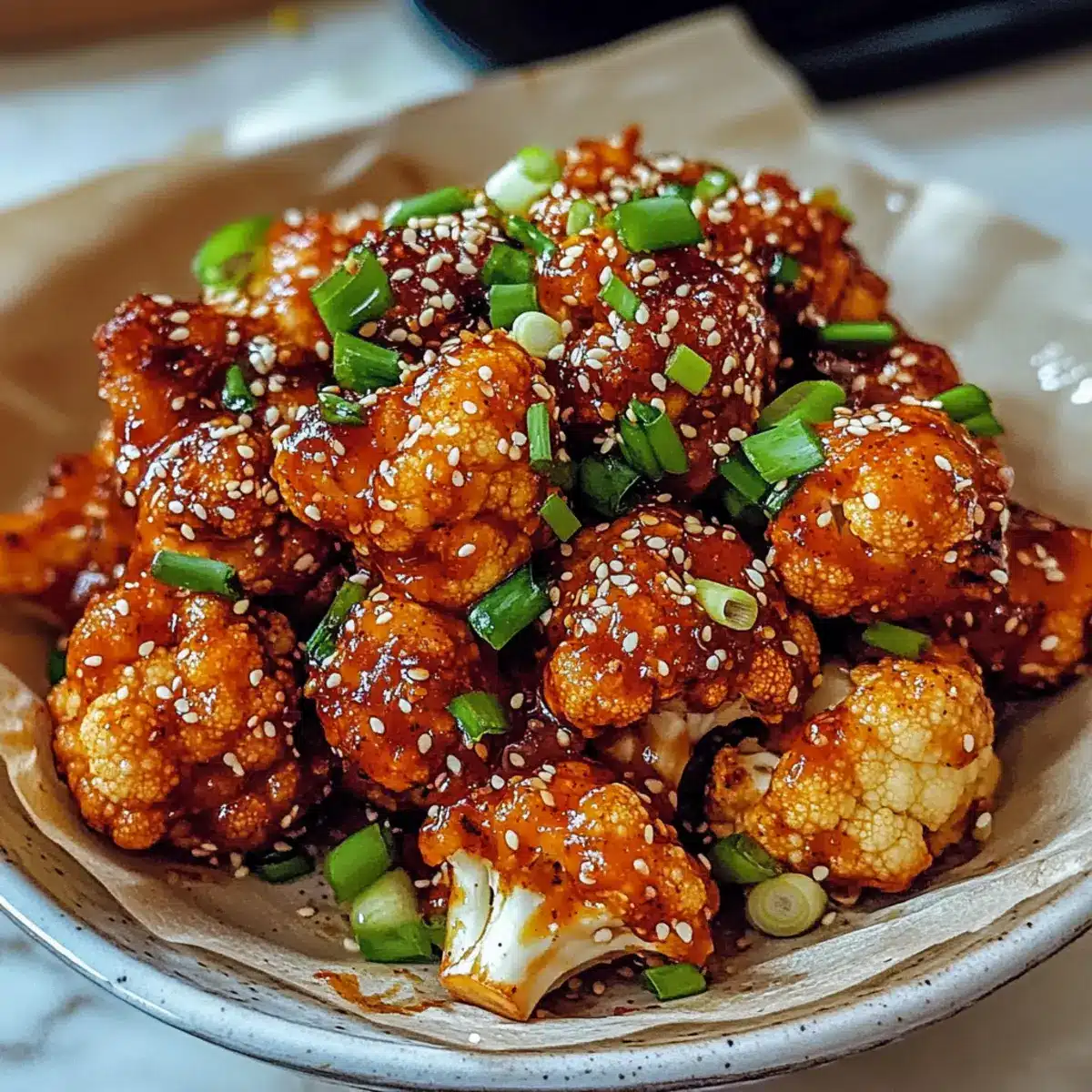
Crispy Korean Baked Cauliflower That's Bursting with Flavor
Ingredients
Equipment
Method
- Preheat your oven to 425°F (220°C).
- Cut the cauliflower into bite-sized florets and place them in a large mixing bowl.
- In a separate bowl, combine gochujang, soy sauce, honey, and sesame oil. Stir well until blended.
- Pour the sauce over the cauliflower florets and toss until evenly coated.
- Spread the coated cauliflower on a lined baking sheet in a single layer. Bake for 25-30 minutes, tossing halfway through.
- Sprinkle sesame seeds atop the roasted cauliflower before serving.
Leave a Reply