
As I stood by the slow cooker, the enticing aroma of Korean Beef Noodles filled my kitchen, instantly transporting me to the bustling streets of Seoul. This dish is an absolute game-changer for busy nights, combining tender, juicy beef with the bold flavors of ginger, garlic, and a spicy hint from gochujang. The best part? It’s all cooked effortlessly while I tend to other things, making it a perfect, low-key option for comfort food lovers. Imagine diving into a bowl of these hearty noodles after a long day, soaking up all that savory goodness! Whether you’re treating yourself or hosting friends, this satisfying meal is bound to become a weeknight staple. Are you ready to bring this delightful dish into your kitchen?
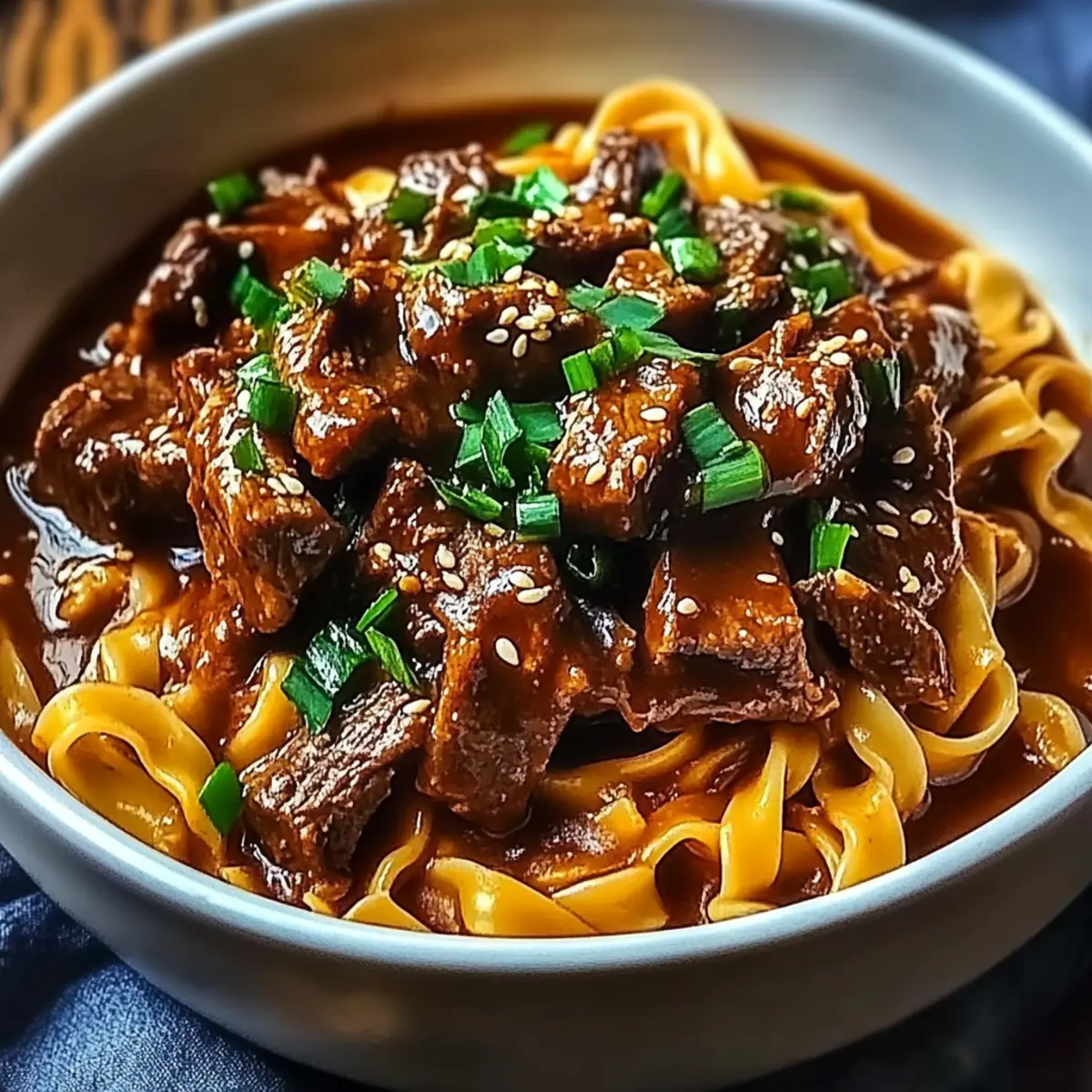
Why are Korean Beef Noodles a must-try?
Easy Preparation: Simply toss everything into the slow cooker and let it work its magic—no culinary expertise required!
Flavor Explosion: The rich blend of ginger, garlic, and gochujang creates a taste that dances on your palate, leaving you craving more.
Versatile Ingredients: Customize with vegetables, or swap beef for chicken or tofu, catering to all dietary preferences.
Cozy Comfort: Perfect for chilly nights, each bite enveloped in warmth makes every bowl feel like a hug in a dish.
Pair your Korean Beef Noodles with a side of Ground Beef Noodles for an extra dose of deliciousness!
Korean Beef Noodles Ingredients
• The right ingredients make all the difference!
For the Beef
- Beef Chuck – Provides the protein base; substitute with brisket or any slow-cooking beef cut for tenderness.
For the Sauce
- Beef Broth – Adds depth and richness; consider using vegetable broth for a lighter flavor.
- Soy Sauce – Imparts umami flavor and saltiness; tamari or coconut aminos can be a gluten-free swap.
- Brown Sugar – Balances the savory and spicy flavors; maple syrup or honey works well as a substitute.
- Ginger – Adds warmth and a hint of spice; fresh ginger is ideal, but ground ginger may be used in a pinch.
- Garlic – Enhances the overall flavor profile; use garlic powder if fresh isn’t available.
- Sesame Oil – Provides a nutty aroma and flavor; olive oil is a substitute but will alter taste.
- Gochujang (Korean Chili Paste) – Introduces heat and depth; adjust to taste depending on spice preference.
For the Noodles
- Fresh or Dried Noodles – Udon or ramen noodles work best; gluten-free options can be used.
For Garnishing
- Green Onions – Adds a touch of freshness; chopped fresh herbs can also be an alternative.
- Sesame Seeds – Optional topping for added crunch and flavor.
- Fresh Cilantro – Optional garnish to brighten the dish.
Step‑by‑Step Instructions for Korean Beef Noodles
Step 1: Prepare the Beef
Begin by cutting the beef chuck into bite-sized chunks and season them generously with freshly cracked black pepper. This enhances the flavor of the beef and sets a flavorful base for your Korean Beef Noodles. Use a cutting board and a sharp knife for effortless preparation, ensuring you have everything ready before moving to the next step.
Step 2: Mix the Sauce
In a medium mixing bowl, whisk together the beef broth, soy sauce, brown sugar, fresh ginger, minced garlic, sesame oil, and gochujang until the mixture is well combined. The sauce should have a smooth consistency, with the brown sugar fully dissolved. This savory sauce will infuse your beef with rich flavors as it cooks, so make sure it’s a perfect blend before proceeding.
Step 3: Place in Slow Cooker
Transfer the seasoned beef chunks into your slow cooker and pour the prepared sauce mixture over the top, ensuring all pieces are well coated. Stir gently to evenly distribute the sauce, but take care not to break apart the beef. Secure the lid tightly, as this will help trap moisture and amplify the flavors of your Korean Beef Noodles.
Step 4: Cook
Set your slow cooker to low heat and allow the beef to cook for 6–8 hours, or if you’re short on time, choose the high heat setting for 3–4 hours. The beef should become tender and infused with the savory sauce. When done, it should easily shred with a fork, signaling that it’s ready to be mixed with noodles.
Step 5: Prepare Noodles
About 15-20 minutes before the cooking time is complete, prepare your noodles according to package instructions. Bring a pot of salted water to a rolling boil, add the noodles, and cook until tender but still slightly firm. Drain the noodles and rinse them under cold water to stop the cooking process, which will help them maintain their texture when combined with the beef.
Step 6: Combine
Once the beef is tender, add the cooked noodles directly into the slow cooker with the beef. Gently toss the noodles in the steaming broth, ensuring they’re coated and absorb some of the delicious sauce. Let everything sit for an additional 5-10 minutes with the lid on, allowing those flavors to meld beautifully before serving.
Step 7: Serve
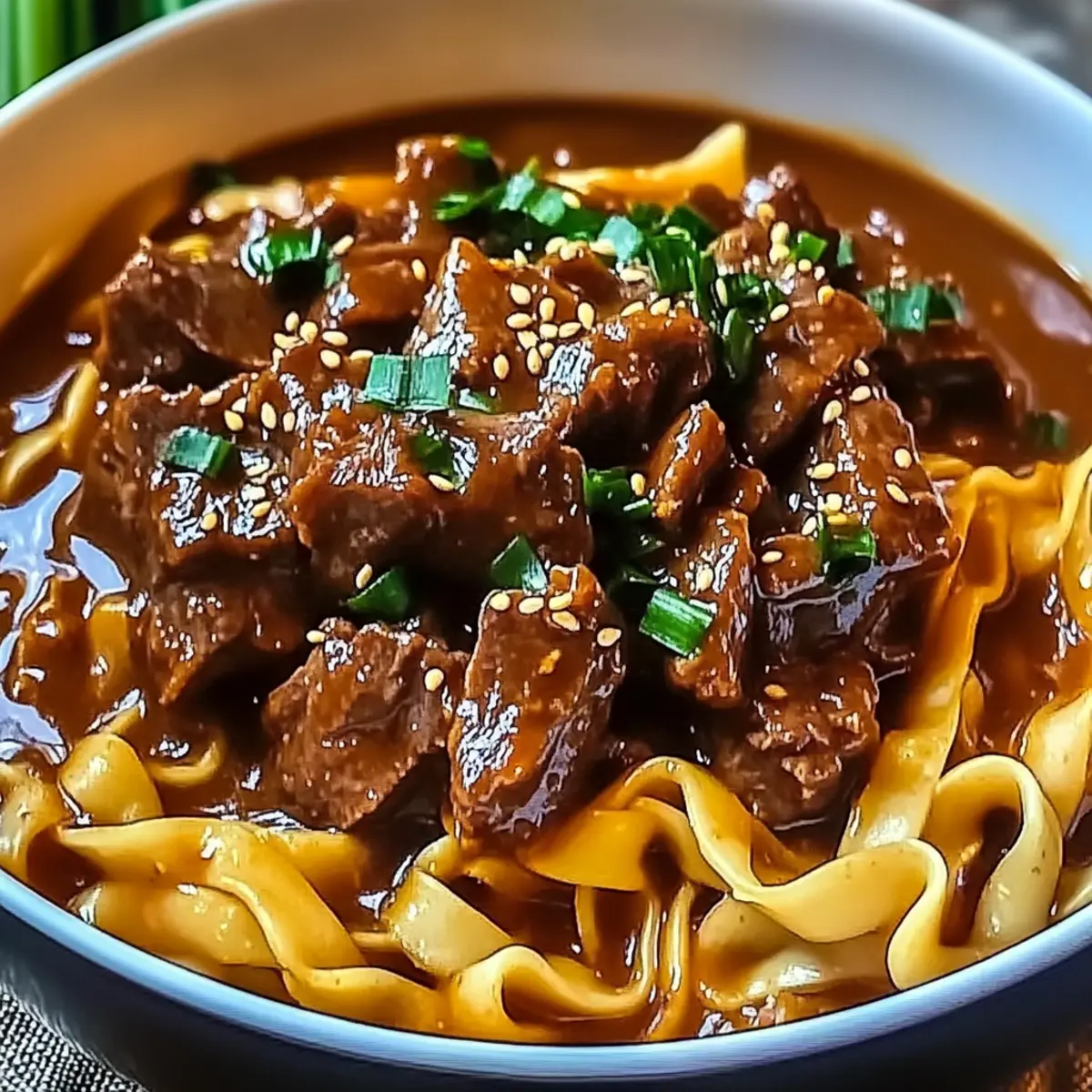
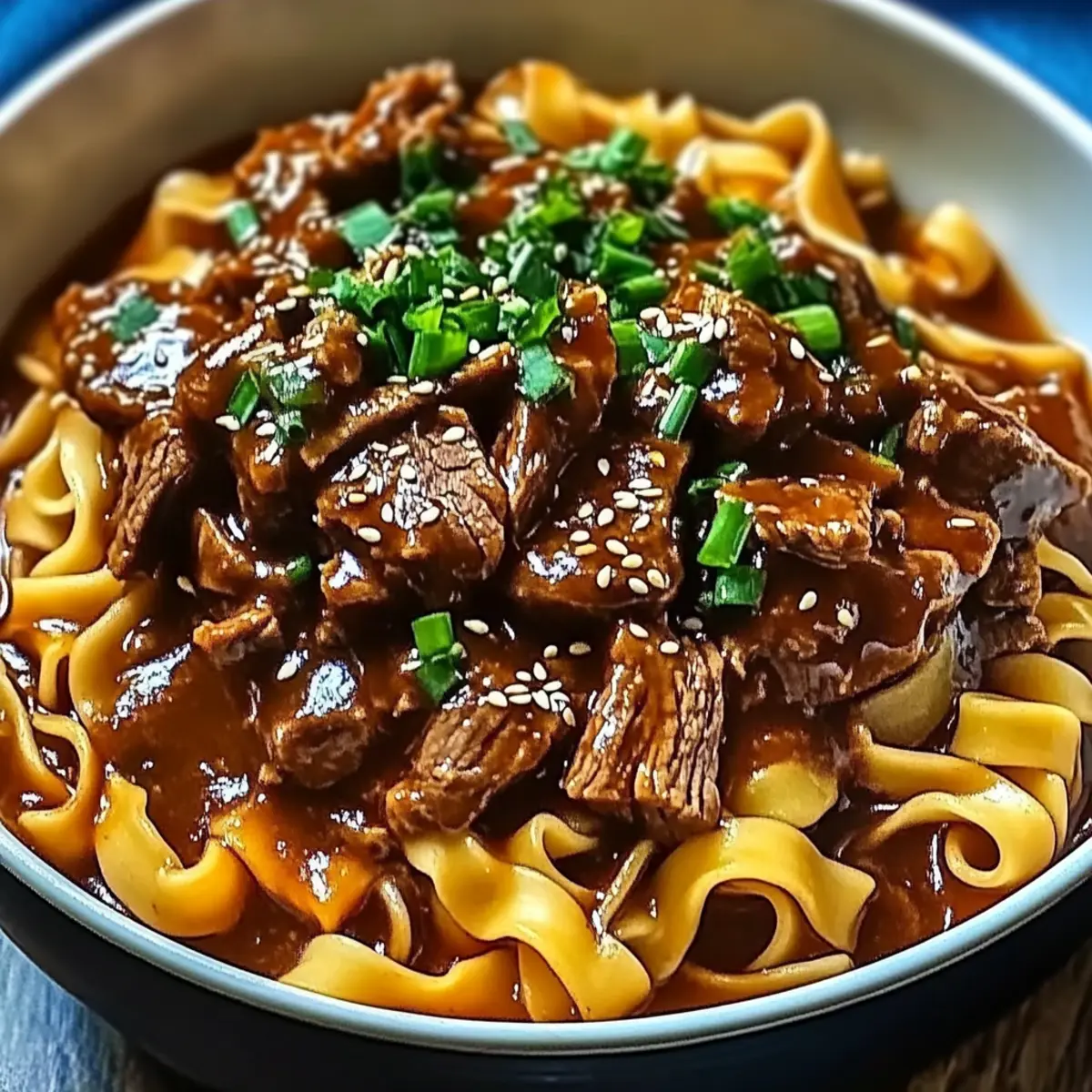
Ladle the comforting Korean Beef Noodles into bowls, making sure to include both beef and noodles in each serving. Garnish with chopped green onions, a sprinkle of sesame seeds, and fresh cilantro for a burst of flavor and color. This dish is best enjoyed warm, bringing coziness to your meal and making it a delight for everyone at the table.
Storage Tips for Korean Beef Noodles
Fridge: Store leftovers in an airtight container in the refrigerator for up to 3 days to maintain freshness and flavor.
Freezer: For longer storage, freeze Korean Beef Noodles in a freezer-safe container for up to 2 months. To prevent freezer burn, ensure proper sealing.
Reheating: Thaw overnight in the fridge before reheating. Warm gently on the stovetop or in the microwave until heated through, adding a splash of water if needed to retain moisture.
Make-Ahead: Prepare the beef a day in advance and store it separately; simply add cooked noodles before serving for a quick, delicious meal.
Korean Beef Noodles Variations & Substitutions
Feeling inspired to play with flavors? Let your creativity shine in the kitchen with these delightful twists!
-
Chicken Swap: Replace beef with chicken thighs for a lighter but equally savory dish. Just remember to adjust cooking times slightly, as chicken will cook faster than beef.
-
Tofu Option: For a meatless version, use firm tofu. Cut it into cubes, and add it about halfway through cooking to prevent it from breaking apart.
-
Veggie Boost: Toss in bell peppers or bok choy during the last hour of cooking. They’ll add a colorful crunch and extra nutrients to your comforting dish!
-
Heat Level: Crank up the spice by adding more gochujang or throw in some sliced jalapeños. Alternatively, reduce the paste for a milder experience if you’re cooking for kids.
-
Broth Alternatives: Use vegetable broth instead of beef broth to enhance flavors without the meat. This works beautifully for vegetarian options or those wanting a lighter dish.
-
Noodle Variety: Try using rice noodles or zoodles (zucchini noodles) for a gluten-free or low-carb twist. They’ll absorb the sauce and provide a fresh take on the classic!
-
Seasoning Enhancements: Add a splash of rice vinegar or sesame seeds into your sauce mix for an additional layer of flavor that tantalizes the taste buds.
-
Serving Suggestions: Elevate your presentation by serving with kimchi on the side. The tanginess of kimchi contrasts beautifully with the rich flavors of the beef noodles.
As you experiment, remember that each substitution opens the door to new culinary adventures! Don’t forget to pair your meal with something cozy, like a side of Beef Stew Cozy for those chilly nights. Happy cooking!
What to Serve with Korean Beef Noodles
Enhancing your meal experience is just a few delicious pairings away!
-
Steamed Broccoli: Bright and tender, steamed broccoli adds a fresh contrast to the savory beef, making every bite balanced and nutritious. Its vibrant green color also elevates your plate visually!
-
Kimchi: A traditional Korean side dish, kimchi provides a spicy, fermented crunch that perfectly complements the rich flavors of the noodles. It’s a must-have for those who love a kick of heat.
-
Cucumber Salad: Crisp and refreshing, a simple cucumber salad brings lightness to the meal with its tangy dressing—a fantastic palate cleanser after those hearty bites.
-
Sesame Roasted Carrots: Sweet and nutty, roasted carrots drizzled with sesame oil offer a delicious contrast to the umami-rich noodles. Their caramelized edges add a delightful sweetness that rounds out the meal.
-
Rice: Serve your Korean Beef Noodles over a bed of fluffy jasmine or sticky rice to soak up all that savory sauce, adding a comforting element to your dish.
-
Chilled Soju: Pairing your meal with chilled soju introduces a smooth, slightly sweet beverage that complements the richness of the beef while keeping your taste buds dancing.
With these pairings, your Korean Beef Noodles will transform into an unforgettable dining experience!
Expert Tips for Korean Beef Noodles
• Tender Beef Every Time: Cook on low for the full duration for melt-in-your-mouth tenderness, avoiding under-cooking which can result in toughness.
• Noodle Perfection: If using dried noodles, don’t overcook them; they should remain slightly firm to absorb the sauce well without turning mushy.
• Adjusting Spice: Gochujang is potent; start with a small amount and taste-test before adding more to suit your preferred heat level.
• Flavor Infusion: Let the beef and noodles sit together for a few extra minutes after cooking, allowing the noodles to absorb the rich sauce for maximum flavor in your Korean Beef Noodles.
Make Ahead Options
These Korean Beef Noodles are a fantastic choice for meal prep, saving you time during busy weeks! You can prepare the beef and sauce up to 24 hours in advance; simply season the beef and mix the sauce as instructed before refrigerating them separately. This method helps preserve the flavors, allowing the beef to soak in the sauce overnight. When you’re ready to serve, just combine the beef and sauce in your slow cooker and cook on low for 6-8 hours, or high for 3-4 hours. Add the noodles during the last 20 minutes, and you’ll have a delicious, comforting meal that’s just as flavorful as when made fresh!
Korean Beef Noodles Recipe FAQs
How do I choose the best cut of beef for Korean Beef Noodles?
Absolutely! For the best results, I recommend using beef chuck, as its marbling ensures tenderness when slow-cooked. If you’re looking for alternatives, brisket or a similarly marbled cut will work beautifully. Just remember, the key is to choose cuts intended for slow cooking, allowing the flavors to infuse fully.
How should I store leftover Korean Beef Noodles?
You can store any leftovers in an airtight container in the refrigerator for up to 3 days. Ensure the noodles and beef are well mixed in the sauce for maximum flavor retention. If you’d like to keep them longer, freeze the dish in a freezer-safe container for up to 2 months. Just be sure to let it cool completely before sealing to prevent freezer burn.
Can I freeze Korean Beef Noodles?
Very much so! To freeze, allow the dish to cool completely before portioning it into freezer-safe containers. Label the containers with the date and freeze for up to 2 months. When you’re ready to enjoy again, thaw overnight in the fridge and reheat gently on the stovetop or in the microwave, adding a splash of water to maintain moisture.
What do I do if my beef turns out tough?
This is a common question! If your beef ends up tough, it’s likely that it didn’t cook long enough. For tender, melt-in-your-mouth beef, ensure that you cook on low for the full 6-8 hours. If you’re in a pinch and have to use the high setting, 3-4 hours is sufficient, but be sure the piece is large and fibrous; otherwise, it might not soften as desired.
Can I make Korean Beef Noodles gluten-free?
Definitely! You can easily adapt this recipe to be gluten-free by using tamari or coconut aminos in place of soy sauce and opting for gluten-free noodles. Just check all your ingredient labels to ensure they meet your dietary needs, and you can enjoy this heartwarming dish without worry.
How spicy are Korean Beef Noodles?
The spiciness primarily comes from the gochujang. I recommend starting with a smaller amount and tasting the sauce before adding more, as everyone’s heat tolerance is different. If you prefer a milder dish, consider using less or a milder chili paste like Sriracha. You’ll still get to enjoy those rich, delicious flavors without overwhelming spice!
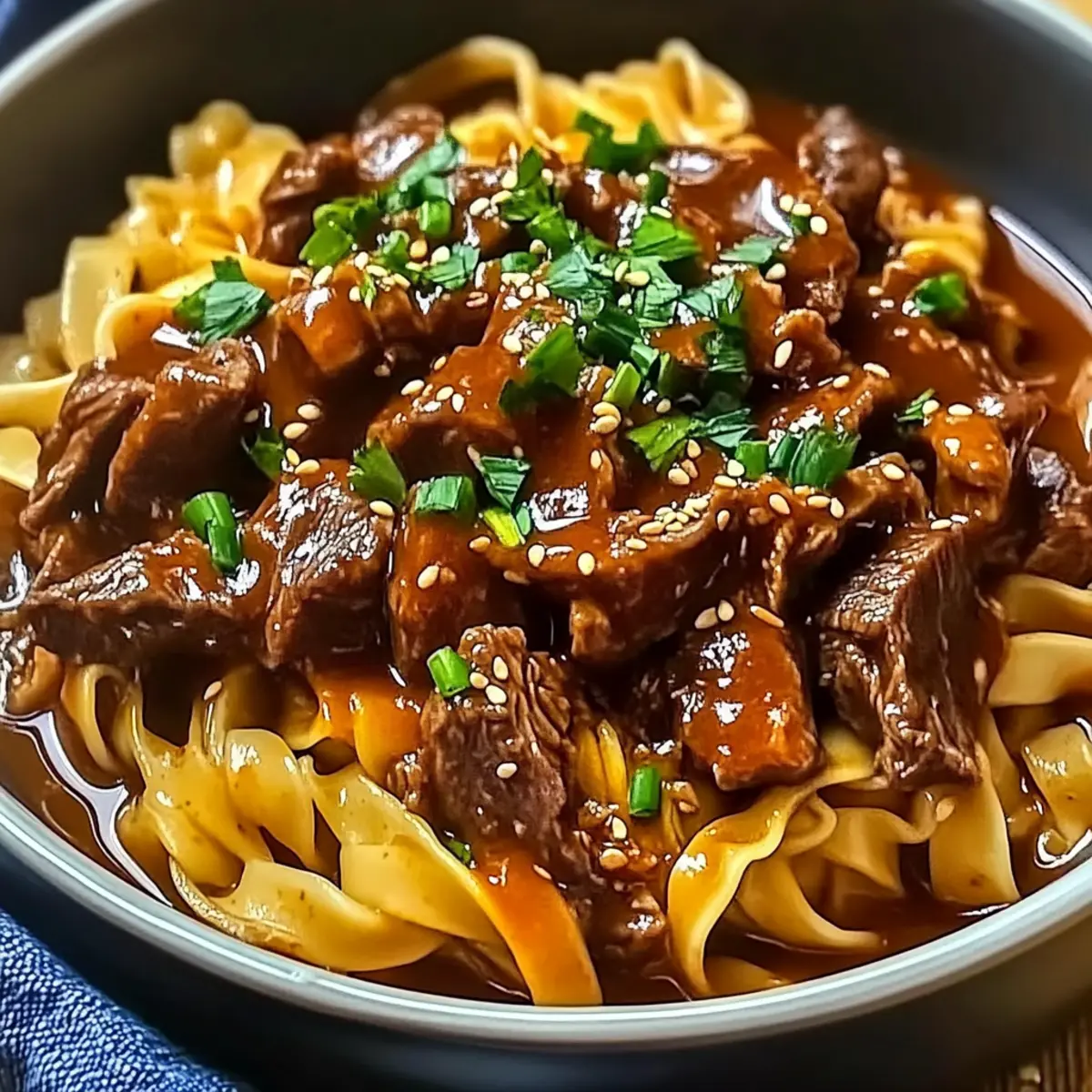
Delicious Korean Beef Noodles for Cozy Nights In
Ingredients
Equipment
Method
- Prepare the Beef: Cut the beef chuck into bite-sized chunks and season with black pepper.
- Mix the Sauce: Whisk together beef broth, soy sauce, brown sugar, ginger, garlic, sesame oil, and gochujang in a mixing bowl until well combined.
- Place in Slow Cooker: Transfer seasoned beef into the slow cooker and pour the prepared sauce over the top, ensuring all pieces are well coated.
- Cook: Set slow cooker to low for 6–8 hours or high for 3–4 hours until the beef is tender.
- Prepare Noodles: About 15-20 minutes before cooking is complete, prepare noodles according to package instructions in boiling salted water.
- Combine: After the beef is tender, add noodles to the slow cooker and toss gently to coat.
- Serve: Ladle into bowls, garnish with green onions, sesame seeds, and cilantro, and enjoy warm.
Leave a Reply